
Transform Your Home with Plantation Shutters in Kingston, Richmond & Wimbledon
Discover how plantation shutters transform Kingston, Richmond & Wimbledon homes. Complete guide to materials, styles, costs (£320-820 window), installation process & ROI. Expert advice for Victorian terraces, bay windows & period properties. Free survey available.
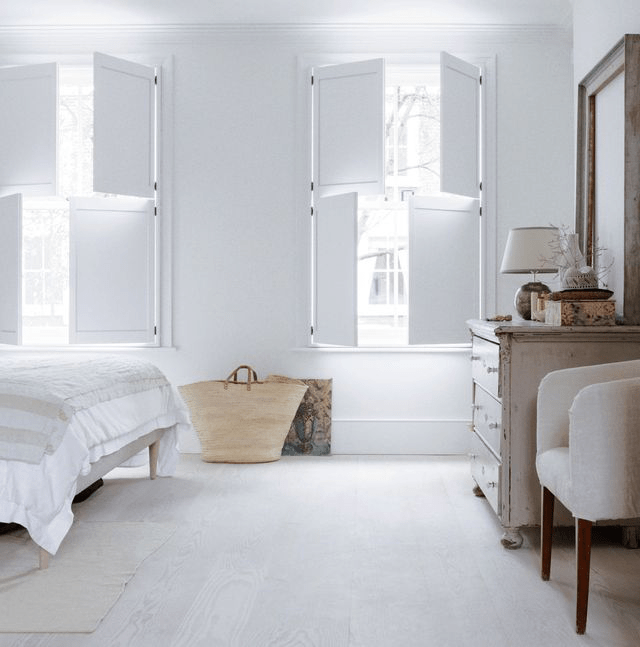
Thinking about plantation shutters for your southwest London home? You're making a smart choice. Whether you live in a Victorian terrace in Kingston, a riverside property in Richmond, or a family home in Wimbledon, the right shutters can completely transform how your space looks and feels.
Let's walk through everything you need to know—from choosing the perfect style to understanding what makes quality installation worth the investment.
Why Southwest London Homes Love Plantation Shutters
Your neighbourhood isn't just any area. Kingston, Richmond, and Wimbledon homes have character—period properties with sash windows, charming bay windows, and architectural details that deserve window treatments to match.
Plantation shutters work beautifully here because they enhance rather than hide your windows. Unlike heavy curtains or standard blinds, shutters frame your windows while giving you complete control over light and privacy.
Here's what makes them particularly brilliant for our area:
Your Victorian or Edwardian home gets a window treatment that actually matches its heritage. Estate agents consistently note that quality shutters help properties stand out during viewings—they signal that a home has been thoughtfully maintained.
For ground-floor rooms facing busy streets (think Richmond Green or Kingston High Street), you can close the bottom panels for privacy while keeping the top open for natural light. It's the perfect solution for that common southwest London challenge.
Shutters add an insulating layer to your windows, which matters when you're dealing with original sash windows or single glazing. You'll notice the difference on cold winter evenings and during summer heatwaves.
Living near the Thames or dealing with street noise? Closed shutters provide meaningful sound dampening, making your home noticeably more peaceful.
Choosing the Right Material for Your Home
Not all shutters are created equal, and the material you choose makes a real difference in how they perform and how long they last.
Hardwood Shutters
These are the premium choice, and for good reason. Real wood shutters (typically basswood or poplar) have a depth and warmth that engineered materials can't quite match.
Perfect for:
Your main reception rooms where aesthetics matter most
Period properties where authenticity counts
South-facing rooms that get lots of sunlight
The natural material handles temperature changes beautifully, and properly treated hardwood will serve you well for decades. Yes, they cost more upfront, but the investment makes sense for rooms that define your home's character.
Expect to invest £480-820 per standard window, depending on whether you choose painted or stained finishes.
Engineered Wood (MDF)
Think of this as the sensible middle ground. Modern engineered shutters are remarkably stable and can look virtually identical to hardwood once painted.
Perfect for:
Bedrooms and secondary rooms
Rental properties where budget matters
Homes with consistent central heating
The reality is that most people can't tell the difference between quality MDF and real wood shutters once they're installed and painted. The cost savings (£320-450 per window) let you outfit more rooms for the same budget.
Just keep them away from high-moisture areas like bathrooms or kitchens—moisture is their kryptonite.
Waterproof Composite
These polymer shutters might not sound glamorous, but they're absolutely essential for certain situations.
Perfect for:
Bathrooms and kitchens
Properties close to the Thames
Any room prone to moisture or condensation
If you live in a Richmond riverside property or your bathroom gets steamy, these shutters will outlast any wood alternative. They won't warp, won't delaminate, and won't need refinishing. At £410-590 per window, they're priced between MDF and hardwood while being virtually indestructible in wet conditions.
Finding Your Perfect Style
The style of shutters you choose should match both your windows and how you actually use each room.
Full-Height Shutters
The clean, classic look. One panel covering your entire window from top to bottom.
These work brilliantly for upper-floor bedrooms, rear-facing rooms, and anywhere you want that crisp, uncluttered aesthetic. When you open them, they fold back completely, giving you unobstructed views and maximum light.
The simplicity also makes them the most affordable option—fewer moving parts and less complex installation.
Tier-on-Tier Shutters
This is the style that solves the ground-floor dilemma. You get two independent sets of panels—top and bottom—that operate separately.
Close the bottom panels for privacy from the street while the top panels stay open for daylight. It's perfect for living rooms and dining rooms facing busy roads, giving you the best of both worlds.
The trade-off is cost—expect to pay about 20% more than full-height shutters for the additional hardware and complexity.
Café-Style Shutters
These cover only the bottom half of your window, leaving the top open permanently.
Popular in kitchens and street-level flats, café shutters give you privacy where you need it while keeping the room feeling bright and open. They're also the most budget-friendly option since you're covering less window area.
Bay Window Shutters
Your bay windows are probably one of your home's best features. Custom shutters can highlight them beautifully, but they require precise measurement and expert installation.
Each panel needs to be cut to exact angles so everything aligns perfectly when closed. It's more complex, takes longer to manufacture, and costs more—but the result is stunning.
For a typical three-panel bay window, you're looking at £1,400-2,100 depending on your material choice.
The Installation Journey: What to Actually Expect
Let's be honest—most people are nervous about home improvement projects because they don't know what's really going to happen. Here's the realistic timeline:
Week 1: Your Free Home Survey
A surveyor visits your home (usually within a few days of booking). They'll measure every window you're considering, show you physical samples so you can see colours in your actual lighting, and discuss what would work best for each room.
This visit takes about an hour. They're not there to pressure you—good companies know that quality shutters are a significant investment and you need time to think.
Week 2: Review Your Quote
You'll receive a detailed quote within 48 hours. Take time to review it properly. If anything's unclear, ask questions. This is also when you might get quotes from other suppliers for comparison.
Weeks 3-6: Manufacturing
Once you commit, your shutters go into production. Standard installations take 3-4 weeks. Bay windows or unusual shapes? Add another 1-2 weeks.
UK-made shutters generally have shorter lead times and better quality control than overseas manufacturing.
Installation Day
For a typical home with 3-8 windows, installation takes a full day. The installers arrive in the morning, work methodically through your house, and should be done by late afternoon.
They'll bring dust sheets, clean up after themselves, and show you how everything works before they leave. You should receive written care instructions and warranty documentation.
What You'll Actually Pay
Let's talk about real numbers, because vague estimates don't help anyone plan.
For a single standard sash window (the most common in Kingston, Richmond, and Wimbledon), you're looking at:
Budget option (MDF): £320-450 installed
Mid-range (painted hardwood): £480-680 installed
Premium (stained hardwood): £580-820 installed
Waterproof (bathrooms/kitchens): £410-590 installed
For a complete 4-bedroom Victorian terrace with 10 windows, realistic project costs run:
All MDF throughout: £6,200-7,800
Mix of materials (hardwood for reception rooms, MDF for bedrooms): £8,500-10,400
Hardwood throughout: £11,200-14,600
Most homeowners don't do everything at once. Common approach: start with your main living spaces and master bedroom (£3,500-5,200), then add other rooms over the next year as budget allows.
Caring for Your Investment
Good news: shutters are remarkably low-maintenance compared to curtains or blinds. No washing, no dry cleaning, no complicated mechanisms.
Weekly: Quick wipe with a microfiber cloth to remove dust. Takes two minutes per room.
Monthly: Damp cloth with water (or mild soap if needed), then dry immediately. Check that everything's moving smoothly.
Quarterly: Drop of silicone lubricant on hinges. Inspect for any issues.
Annually: More thorough inspection. Check all the hardware, tighten anything that's loosened, touch up any tiny chips in the paint.
That's genuinely it. Compare that to washing curtains or replacing broken blind mechanisms.
Special consideration for our climate: Southwest London's humidity (especially near the Thames) means you should keep an eye on moisture-exposed shutters. Open them periodically to prevent any moisture trapping, and consider a dehumidifier if you're in a riverside property.
Most issues that develop are minor: a louvre that's slightly loose, a hinge that needs adjustment. Local installers typically charge £45-75 for a service visit to sort these out. Significant repairs (replacing damaged louvres or panels) are rare unless you have an accident.
Understanding Conservation Areas and Listed Buildings
This matters for many Kingston and Richmond homes. The good news: internal plantation shutters rarely require planning permission, even in conservation areas.
Richmond has 36 conservation areas, Kingston has 12. If your property is just in a conservation area (not listed), you can install internal shutters without council approval.
However: If your home is listed (Grade II or higher), you might need Listed Building Consent, particularly if the installation affects historic window frames. Always check with your council's conservation officer first. The process takes 8-12 weeks but protects both you and your property's heritage.
External shutter boxes or changes to the outside of your home in conservation areas always require consent.
Making Sure You Choose the Right Installer
This isn't like buying a product off a shelf—installation quality determines whether your shutters function beautifully for 20 years or cause endless frustration.
Look for these essentials:
Registered business with insurance (minimum £2 million public liability)
Physical samples they bring to your home
Warranty in writing (both product and workmanship)
Local references you can actually see or speak to
Warning signs:
Pressure to sign immediately
Quotes are dramatically lower than everyone else (quality costs what it costs)
Vague about where shutters are manufactured
Can't provide local examples of their work
Why local matters: An installer based in Kingston, Richmond, or Wimbledon understands how Victorian and Edwardian properties work. They recognise common issues with sash windows, know the angles of bay windows in the area, and can come back quickly if you need any adjustments.
How Shutters Impact Your Property Value
Let's be practical. Estate agents in southwest London consistently note that quality shutters help during property sales, but we're not talking dramatic figures.
Realistic impact: £2,000-4,500 added to sale price, according to agent surveys. More importantly, shutters help your property show better during viewings—they make rooms feel finished and well-maintained.
The bigger financial benefit is actually the energy efficiency. Shutters on single-glazed sash windows can reduce heating costs by £150-280 annually for a typical 4-bed home. That's real money in your pocket every year.
Specific Recommendations for Your Home Type
Victorian or Edwardian Terrace (Most Common in Kingston/Richmond)
Your home likely has beautiful sash windows and at least one bay window. Start with:
Hardwood tier-on-tier shutters for your front reception bay window (the focal point visitors see)
Full-height hardwood for your main living areas
MDF for bedrooms (save budget without sacrificing quality)
Waterproof composite for bathroom and kitchen
This balanced approach gives you quality where it matters most while keeping the project affordable.
1930s Semi-Detached (Common in Wimbledon)
These homes typically have a box bay window in the front room and standard windows elsewhere. Consider:
Hardwood tier-on-tier for that front bay
MDF full-height for the remaining rooms
Waterproof composite for wet areas
The simpler window architecture in 1930s homes means you don't need as much customisation, which keeps costs reasonable.
Modern Properties (Post-1980)
Modern windows are more uniform, so you can often use the same style throughout. MDF or waterproof composite works well here—the construction methods mean you don't need hardwood's specific properties.
Focus on functionality: full-height shutters for most rooms, blackout integration for bedrooms if you value darkness for sleeping.
Your Questions Answered
How long will my shutters actually last?
With proper care, hardwood shutters last 20-25 years. Quality MDF shutters last 12-18 years in normal conditions. Waterproof composite shutters last 15-20 years regardless of moisture exposure. These aren't disposable window treatments—you're making a once-in-a-generation decision.
Will shutters really save me money on heating?
Yes, but let's be realistic about the numbers. If you have older single-glazed sash windows (common in pre-1940 Kingston homes), adding hardwood shutters can reduce heat loss by about a third. That typically translates to £150-280 per year in heating savings for a standard 4-bedroom home. Double-glazed homes still benefit, but savings are more modest—around £120-180 annually. You'll also notice cooler rooms in summer when shutters are closed during the hottest part of the day.
What if I'm in a conservation area?
Internal shutters are almost always fine, even in Richmond's 36 conservation areas or Kingston's 12. You don't need planning permission for internal window treatments. The exception is listed buildings, where you should check with your conservation officer before installation. They're usually supportive if you choose appropriate materials and styles for your period property.
Can I install shutters myself to save money?
Technically possible, but strongly inadvisable unless you have genuine carpentry skills. Professional installation isn't just hanging something on the wall—it requires precise measurement (within 4mm accuracy), proper frame alignment, correct fixing into masonry, and understanding how to account for window irregularities. Most DIY attempts either don't fit properly or have operational issues. Professional installation costs £80-120 per window but comes with a warranty and proper function. Fixing DIY mistakes typically costs more than professional installation would have.
What's the best choice for ground-floor rooms facing the street?
Tier-on-tier shutters solve this perfectly. You can close the bottom panels for privacy from pedestrians while keeping the top panels open for natural light. It's the ideal solution for living rooms or dining rooms on Kingston High Street, Richmond Road, or Wimbledon Broadway. Café-style shutters (covering just the bottom half) are the budget alternative and work well in kitchens.
How do shutters handle moisture near the Thames?
If you're in a Richmond riverside property or anywhere close to the Thames, waterproof composite shutters are essential for bathrooms and kitchens. Standard MDF will eventually warp in consistently high humidity. Even hardwood benefits from being moisture-treated in these locations. For living areas in riverside properties, quality hardwood or MDF is fine—it's really the wet rooms where waterproof materials become critical.
Do shutters actually add value when I sell?
Estate agents report that quality shutters contribute £2,000-4,500 to sale prices in Kingston, Richmond, and Wimbledon. But the real value is how they make your property show. Shutters signal that a home has been well-maintained. They look substantially better than tired curtains or broken blinds. Properties with shutters also photograph better for listings. Install them in buyer-critical rooms: main reception, master bedroom, and street-facing ground floor rooms.
What warranty should I expect?
Legitimate professional installations include a product warranty of at least 10 years covering material defects, finish problems, and hardware failure. You should also get a workmanship warranty of at least 12 months covering any installation issues. Reputable companies offer ongoing parts availability—you should be able to get replacement components throughout your shutters' lifespan. Get warranty terms in writing before you commit. Avoid anyone offering less than 2 years—it suggests they're not confident in their materials or work.
How do I maintain shutters with hard water in our area?
Southwest London has hard water (high calcium content), which causes mineral deposits if water splashes on shutters near bathrooms and kitchens. Clean monthly with pH-neutral detergent in distilled water (not tap water) to prevent limescale buildup. If you get deposits, a diluted white vinegar solution removes them—apply gently and dry immediately. Never use abrasive cleaners. Waterproof composite shutters resist mineral buildup better than painted wood, making them the smarter choice for hard-water environments.
Should I shutter every window at once?
Most people don't, and there's no reason to feel you must. Common approach: start with your most important rooms (main living space and master bedroom) for £3,500-5,200. Live with those for 6-12 months, confirm you're happy with the decision, then add the remaining bedrooms. Save bathrooms and kitchens for last if budget is tight—these rooms matter least for the overall aesthetic. Phasing the project lets you spread the cost and ensures you're completely satisfied before completing your home.
What about blackout options for bedrooms?
Blackout shutters include special side seals, and sometimes top and bottom seals, that prevent light leakage around the edges. This adds £85-120 per window but makes a significant difference if you're sensitive to light when sleeping or have young children. Standard interior shutters without blackout still block most light—it's really about whether the small amount of edge leakage bothers you. Worth considering for master bedrooms and children's rooms, probably unnecessary for guest rooms.
How quickly can I get shutters installed?
From initial survey to installation typically takes 5-8 weeks. The survey happens within days of booking. Manufacturing takes 3-4 weeks for standard windows, 4-6 weeks for bay windows or unusual shapes. Installation day is usually available within a week of shutters arriving. If you're on a deadline (selling your home, expecting guests), mention this upfront—some installers can prioritise urgent projects, though rush fees may apply.
Ready to Transform Your Windows?
The right plantation shutters will serve your Kingston, Richmond, or Wimbledon home beautifully for decades. They're not a quick fix or a trend—they're a permanent upgrade that improves how you live in your space every single day.
Start with a free home survey. You'll see materials in your own lighting, get accurate measurements, and receive a detailed quote with no pressure to commit. Most installers serve southwest London within days of booking.
Key Links for Your Research:
Shutter Styles:
Full-Height Shutters - Classic single-panel design
Tier-on-Tier Shutters - Independent top and bottom panels
Café-Style Shutters - Lower half coverage only
Bay Window Shutters - Custom angled panels
Shutter Materials:
Hardwood Shutters - Premium natural wood options
Faux Wood Shutters - Waterproof composite materials
Plantation Wooden Shutters - Traditional timber shutters
Services:
Window Shutter Installation - Professional fitting service
Window Shutter Replacement - Upgrade existing shutters
Window Shutter Repairs - Maintenance and fixes
Service Areas:
Shutter Installation Near Me - Find local installers
Areas We Cover - Southwest London service map
Getting Started:
Contact Us - Book a free home survey
Online Quote - Instant estimate
How It Works - Step-by-step process
FAQs - Common questions answered
Call: 07776 123386
Email: info@shutterinstallation.co.uk
Serving Kingston upon Thames, Richmond upon Thames, Wimbledon, Merton, Surbiton, Teddington, Hampton, Molesey, Esher, Thames Ditton, and surrounding southwest London areas.
© 2026 Shutter Installation is a registered trademark of Shutter Design Limited. Registered in England and Wales with Company House number 10477976. All rights reserved.
Sitemap
FAQs