
Blog
Shutter Installation Cost: Fitting-Only Guide
Shutter fitting costs £100 for a sash window, £200 for a small bay and £300 for a larger bay, including VAT, parts, labour and fitting. Multi-window installation varies with the number and type of windows. These are fitting-only prices for shutters you supply, not new shutter purchase prices.
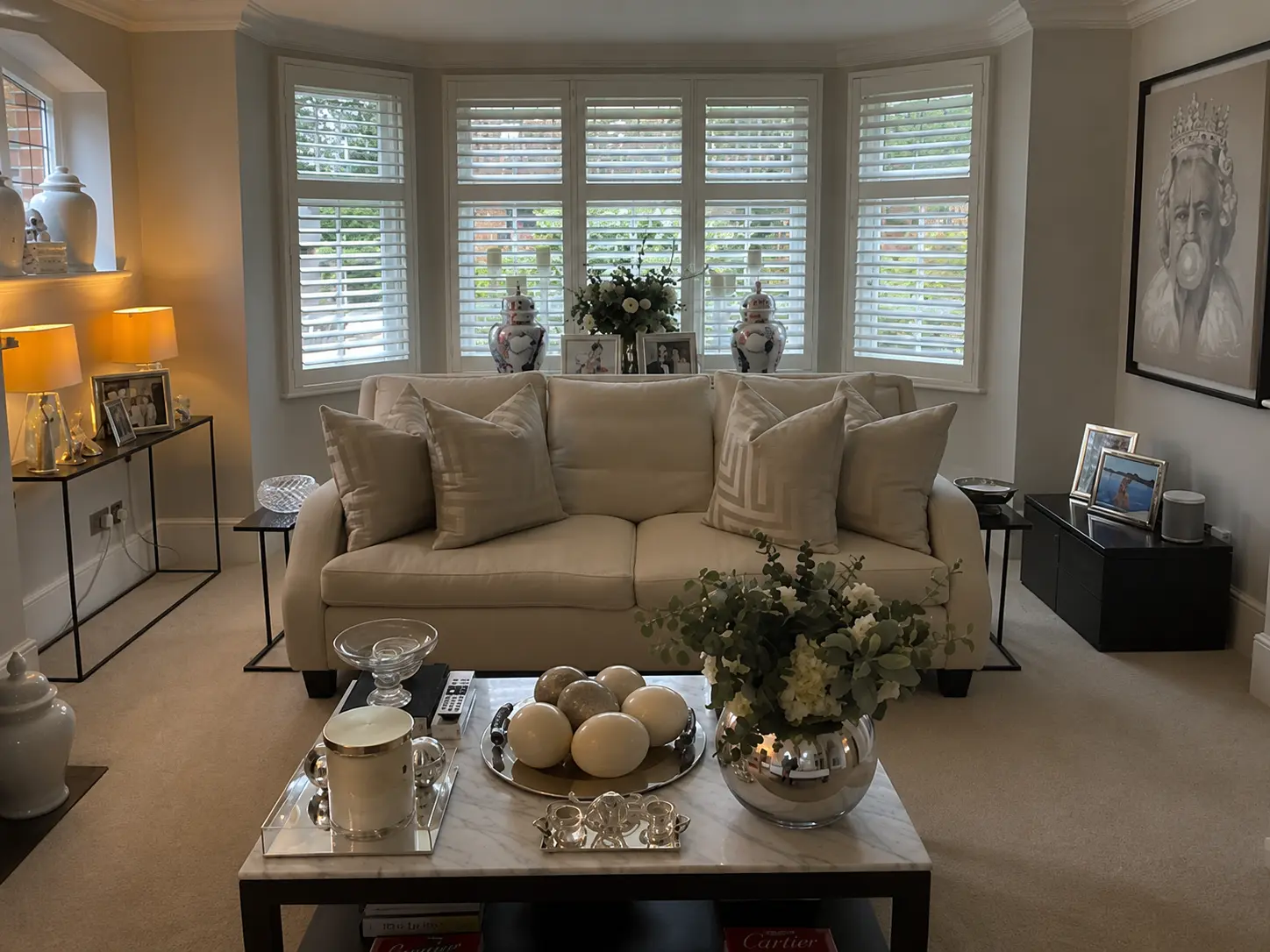
Getting shutters to fit the opening is only part of the installation. The frame must sit securely without twisting, the panels must close evenly, and the window handles must remain easy to reach. This guide explains the cost, measuring, fitting and finishing of interior shutters you already own, including flat casement and sash windows, bays and suitable tracked systems.
Key takeaways
- Compare the complete frame with the opening, not just the width of a loose shutter panel.
- A supported frame and freely moving panels matter more than hiding an uneven edge with filler.
- Keep window handles, sash catches and vents accessible after the shutters are fitted.
How much does interior shutter installation cost?
Interior shutter fitting costs £100 for a sash window, £200 for a small bay and £300 for a larger bay. These prices include VAT, parts, labour and fitting. You supply the shutters, and there is no separate call-out or travel charge.
Multi-window installation varies based on the number and type of windows. Tell us which openings need fitting so the quotation can set out the overall job and price. A house with several sash windows involves different work from one with bays or tracked systems.
With Shutter Installation, frame assembly, secure fixing, panel alignment, movement checks and agreed finishing and cleaning form part of the fitting work. The person who surveys the opening is involved in the fitting, so the window's support and clearance requirements are carried through to installation. The price is for fitting the supplied shutters, not manufacturing a new set.
Ask for missing hardware, damaged components or adaptation to be identified before work begins. Taking down an existing set before replacement-window work and returning later is removal and refitting, a separate two-stage service. A fitting-only price does not include buying a new shutter set.
Shutter installation prices by window type
| Opening or job | Fitting price |
|---|---|
| Sash window | £100 |
| Small bay | £200 |
| Larger bay | £300 |
| Multi-window installation | Varies with the number and type of windows |
Prices include VAT, parts, labour and fitting for shutters you supply, with no separate call-out or travel charge. Any additional work is agreed in the quotation.
What does the fitter check before installation?
The fitter compares the complete shutter frame with the intended opening, measuring width and height at several points. The window recess may not be square or level. A loose panel can fit between the walls while the assembled frame, posts and hinge gaps need more space.
Uneven openings are common enough that the British Blind and Shutter Association warns about them: shutters are made square while reveals often vary, and a cover strip or sealant can be needed where the gaps differ.
The supplied panels, frame sections, hinges, catches and other hardware must match the manufacturer's layout. Keep the parts for each window together. Missing pieces or a set made for another opening can change whether installation is practical, not just how long it takes.
Recess depth, sills, plaster, trim and tiles determine where the frame can sit securely. Projecting handles, vents and inward-opening windows also need clearance. Measurements taken before replacement windows or plastering may no longer describe the finished opening, so that work must be complete before final compatibility is confirmed.
How are window shutters fitted and aligned?
The fitter assembles the frame, checks its position in the opening and supports any low points before completing the fixings. Pulling a frame tightly against an uneven surface can twist it. The aim is a supported, level frame that keeps its intended shape.
The fitter hangs the panels while there is still room to adjust the frame safely. Even gaps help show whether it sits correctly. The panels should meet their catches without rubbing or needing force, and the louvres should turn freely without catching the window handles.
Final fixing can change those gaps, so the fitter tests the shutters again before completing the agreed finishing and cleaning. Filler can finish a small edge gap, but it cannot replace secure support or correct a distorted frame. Hinged and tracked systems must use the support and hardware appropriate to their design.
How does fitting differ between window types?
The fitting position must suit how the window and shutters open, not just how they look when closed. Casement handles, sash catches, bay corners and tracked openings create different clearance and support requirements. The table below explains what changes between them.
Moving a frame forwards can clear a projecting handle, but also brings the open panel further into the room. Check that position against radiators, sills and furniture. At handover, you should be able to reach the window controls, open the window and return the shutters without catching or forcing anything.
What changes with the window type?
| Window or layout | What the fitter checks | Why it matters |
|---|---|---|
| Flat casement windows | Handle projection, opening direction, recess depth and clearance behind the louvres. | The shutters must let you reach and operate the window, with space for their own panels to open. |
| Sash windows | Access to the catches, sash travel and how the shutter divisions sit against the window rails. | The fitted shutters must allow everyday sash operation and access for cleaning. |
| Bay windows | Every face and angle, the frame junctions and clearance between neighbouring panels. | A wrong corner angle can twist the next frame section and make its panel rub, even when the widths match. |
| Wide openings and tracked shutters | The specified track supports, travel, folding or stacking space, and access to any doors behind the shutters. | Panel weight and movement need the correct support. A track does not remove the need for opening and storage space. |
What should your shutter installation quote include?
The quote should identify the supplied shutter set, the opening and the fitting work, including any replacement hardware, adaptation or agreed finishing. Check whether it covers the complete installation or only a stated period of labour. A day rate alone does not tell you the final cost if parts are missing or the work runs over.
Send photos of each complete opening and its shutter set, plus the supplier drawing and parts list where available. Include your postcode, the number of windows and any unfinished building work. The checks for shutters bought elsewhere explain how to assess the supplied frame, panels and hardware. More fitting time cannot correct every incompatible set.
If you have not bought shutters yet, compare the supplier's shutter and delivery price plus fitting with a complete supply-and-fit quotation. Shutters Design provides the new made-to-measure survey, supply and fitting service. Keep the material, coverage and panel layout the same when comparing totals.
Before the fitter leaves
- Open and close the panels without rubbing or forcing them.
- Tilt the slats and check that the catches hold the panels closed.
- Check access to window handles, vents and any doors behind the shutters.
- Ask the fitter to show you how to use the arrangement and explain any agreed limitations.
Common questions
Related shutter advice
- Professional shutter installation
- Fitting Shutters Bought Elsewhere: Four Checks Before Booking
- Plantation Shutter Repair Costs: What Affects the Price?
Planning an assessment? Check our shutter repair and fitting areas for local service details before booking. For help with a customer-owned bay set, see the local fitting checks for Kingston.