
Blog
Common Plantation Shutter Problems and Repair Options
Start with what has changed. Does one slat hang loose? Do the shutters rub when you close them? Have several parts become difficult to use? You do not need to identify a small broken part or try to fix it yourself before asking for advice.
Quick answer
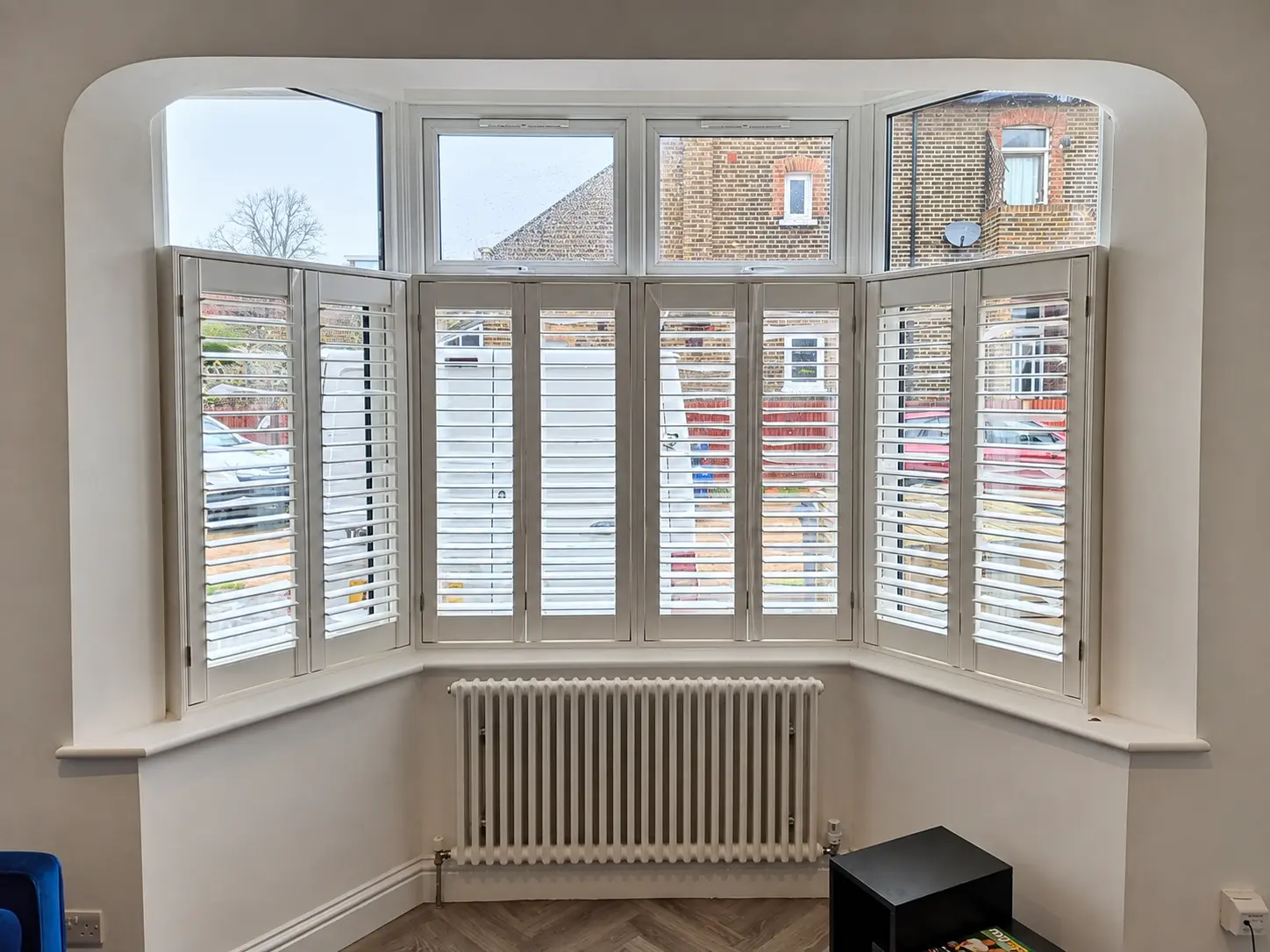
Broken slats, loose shutters and panels that will not close can often be repaired without replacing the whole set. The right option depends on the damage, the condition of the remaining shutters and whether suitable replacement parts are available.
Key takeaways
- A broken slat does not automatically mean replacing the complete shutter set.
- The repair price depends on the agreed work, not just the name of a broken part.
- Leave a shutter alone if it feels insecure, catches badly or needs force to move.
What are the most common shutter problems?
The usual problems involve damaged slats, shutters that no longer move properly, worn hinges or catches, and panels that have dropped. A small repair may be enough when the rest of the set is in good condition.
A symptom does not establish the cause. We check the rest of the shutter before recommending a repair, so a new part does not leave the original problem unresolved.
What you notice and what may help
| What you notice | What the repair may involve |
|---|---|
| One slat is broken, missing or hanging loose | Repairing the existing slat or replacing the damaged one. |
| The slats drop instead of holding their angle | Adjusting the shutter or repairing the worn parts that control the movement. |
| The bar used to move the slats is loose or broken | Reattaching or replacing the bar so the slats move together again. |
| A panel hangs crooked or rubs against its frame | Checking the hinges and fitting, then realigning the panel where possible. |
| The shutter closes but will not stay shut | Adjusting or replacing the catch or magnet, or correcting the panel alignment. |
Can you replace just one broken shutter slat?
Often, yes. One damaged slat does not automatically mean replacing the panel or every shutter at the window. If the surrounding shutter is sound and a suitable replacement is available, the work can stay limited to the damaged part. Slat and louvre both mean the adjustable horizontal blade.
A slat that hangs loose may not need replacing at all. If the slat itself is undamaged, it may be possible to repair how it is held in place. We check that before recommending a new one.
Keep any piece that has already come away, but leave the rest of the shutter assembled. It is easier to assess the problem when we can see the full set as well as the damage. We can also check the neighbouring slats while dealing with the broken one.
Why will the slats not stay open or move together?
Slats that slowly drop, feel stiff or stop moving together may need adjustment or a repair to the parts that move them.
The important detail is how the fault affects everyday use. Tell us whether one slat is affected or the whole group, whether the problem started suddenly, and whether you have to force anything to move. You do not need to know the name of the mechanism inside.
If the visible bar has come loose or broken, we can assess whether it can be reattached or needs replacing. That bar is often called a tilt rod. After the repair, we check that the slats move together and hold the position you choose.
Do not force stiff slats or pull harder on a loose bar. This can turn a small repair into damage to more of the shutter.
Our guide to broken or loose shutter louvres explains how to tell a drooping, stiff, detached or snapped louvre apart, and what each repair involves.
Why will the shutter panels not close properly?
A panel that catches, hangs crooked or will not stay shut may need its alignment, hinges or catches put right.
A slight dip is normal. The British Blind and Shutter Association notes that opened panels, especially two or more hinged together, are likely to dip slightly under their own weight, so you may need to lift a panel a little as you close it. A panel that catches the frame or will not latch even when lifted has a fault worth assessing.
Notice whether the panel rubs before it reaches the frame or closes normally and then swings open again. Those are different problems. A new magnet will not solve a panel that cannot reach it properly.
Also mention anything that changed around the same time, such as new windows, decorating or a previous fitting job. A new handle or a change around the window can affect how an existing shutter opens and closes. If you are planning replacement windows, read our shutter removal and refitting guide before work starts.
Folding or tracked panels that have become difficult to move also need assessment. Do not keep pushing a badly catching panel or use a shutter that feels loose and insecure. We check the cause before deciding whether adjustment, replacement parts or more extensive work is appropriate.
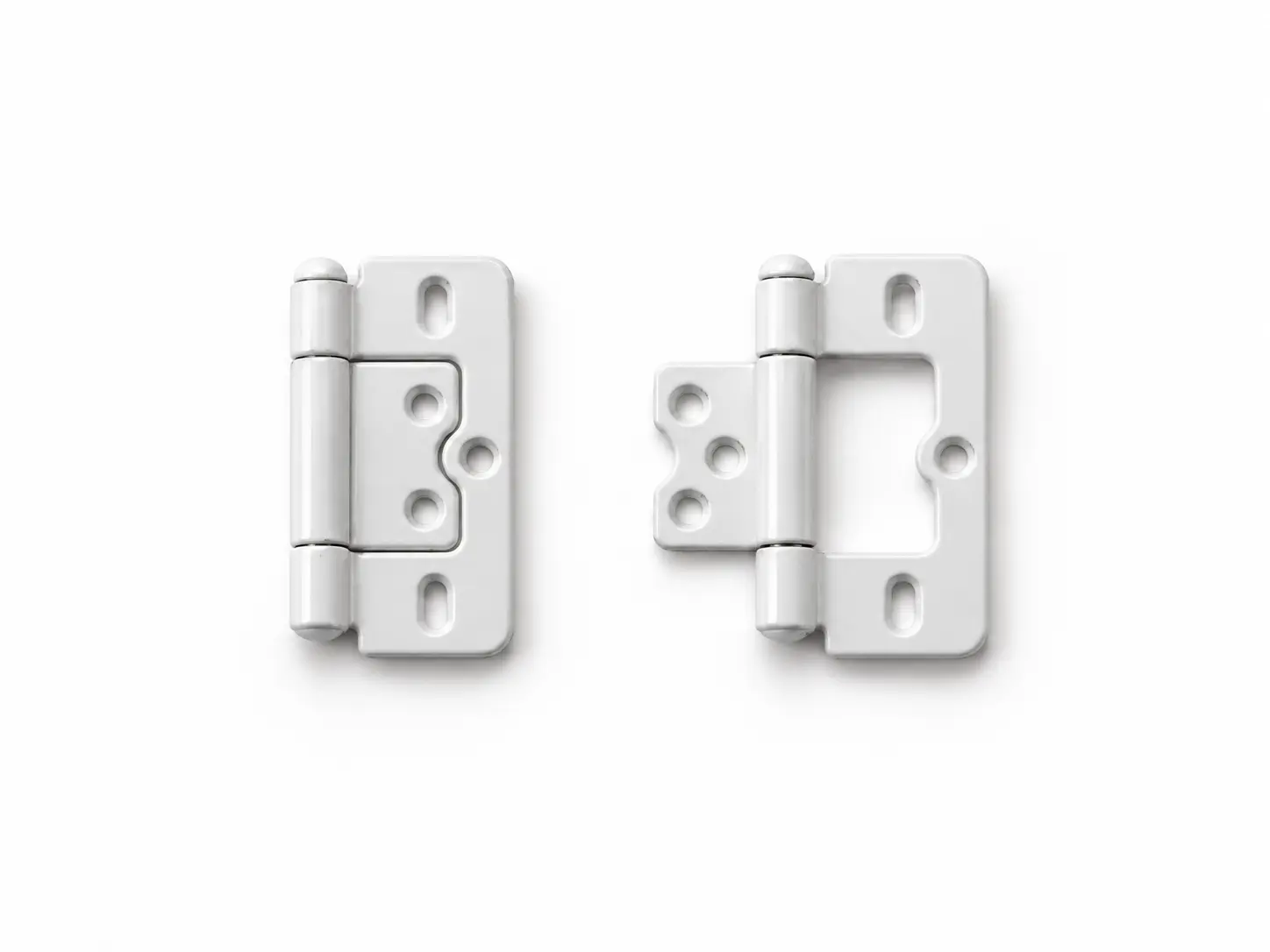
Shutter hinges
Hinges support the panel as it opens and closes. A replacement needs to match the existing shutter, not just its colour.
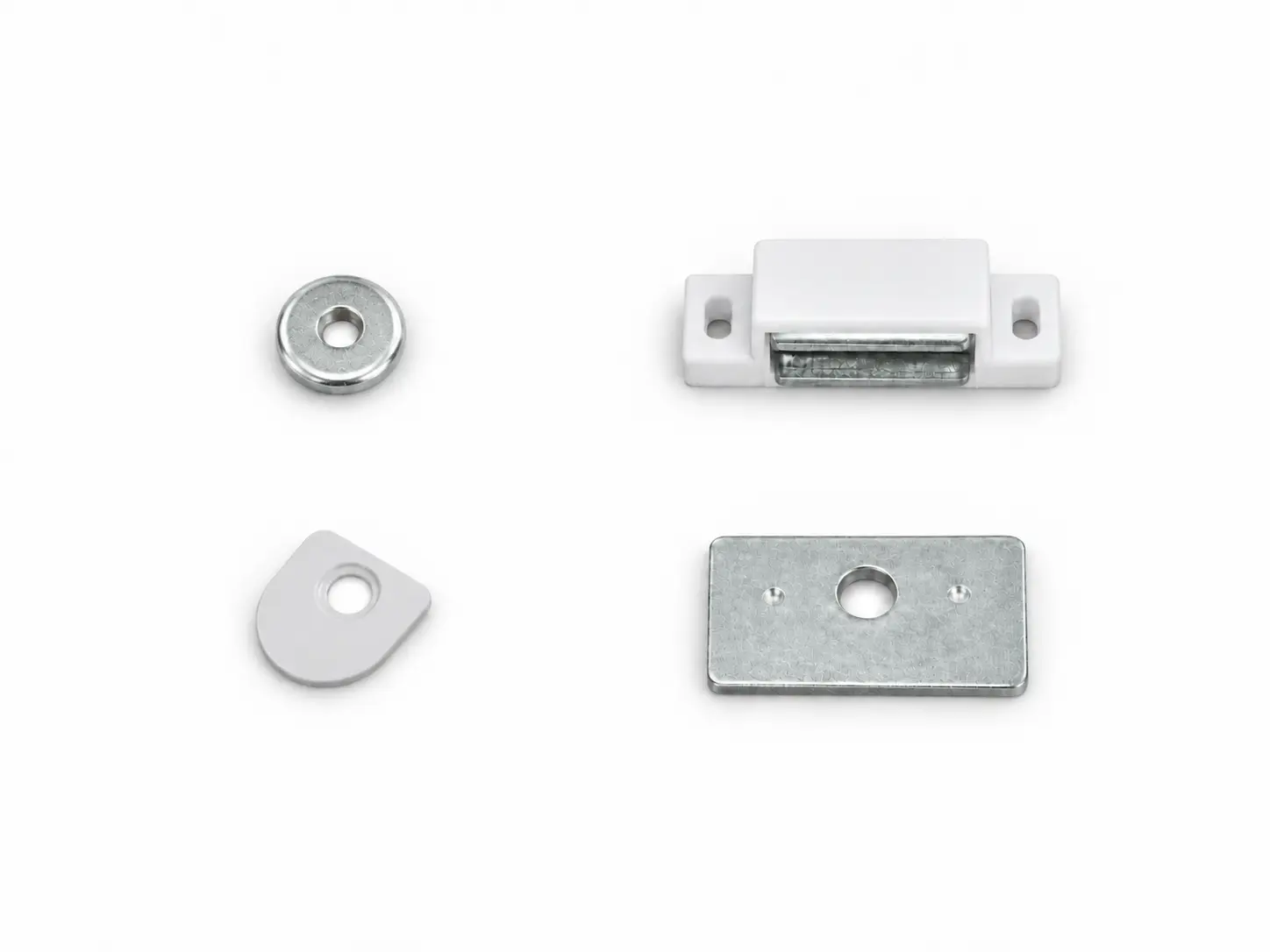
Magnets and plates
A magnetic catch helps hold the panel closed. If the panel cannot reach the catch, its alignment needs checking too.
How much do common shutter repairs cost?
Our indicative average prices include VAT, the stated parts and labour, with no separate call-out or travel charge.
These are examples, not a fixed quote for every shutter. Difficult access, an unusual replacement part or several connected problems can change the total. Realignment does not include the cost of a new panel or additional replacement hardware.
Our plantation shutter repair cost guide explains the other published prices and what affects a quotation. We confirm the agreed work and price before starting.
Three common shutter repair prices
| Repair | Indicative average price |
|---|---|
| Replacing a shutter slat or louvre | About £25 each |
| Fixing or replacing a tilt rod | About £50 per rod |
| Realigning a dropped shutter panel | About £25 per panel |
Indicative average prices include VAT, the stated parts and labour, with no separate call-out or travel charge. Additional parts, difficult access or wider work may change the quote; panel realignment does not include a replacement panel or extra hardware.
Can the shutters be repaired at home?
We complete approximately 90% of repairs in one on-site visit. Common slat, hinge and alignment repairs can often be done with the shutters in place, provided suitable parts are available and the rest of the set is sound.
Some jobs need additional work or a return visit. We explain any expected additional work before booking and check that the shutters work properly after the repair.
Arrange a shutter repair assessment to find out what is possible. We will explain whether the initial information is enough or a visit is needed.
When should you consider restoration or replacement instead?
Restoration is worth considering when older shutters need more than an isolated repair. In a period property, the aim may be to retain an existing feature while improving its condition, appearance and everyday use. Our shutter restoration service assesses the work as a whole, rather than treating each problem separately.
Replacement becomes relevant when damaged parts cannot support a lasting repair or suitable replacements cannot be found. For the plantation shutters covered by this guide, water-damaged material needs replacing. That does not automatically mean replacing every panel or the whole set.
The repair-or-replace guide explains how we compare those options. If a completely new made-to-measure set is the appropriate route, Shutters Design handles the new supply and fitting.
What should you do next?
Tell us which shutters are affected, what no longer works as it should and whether anything has changed around the window. A photograph of the complete set and a close-up of the problem are a useful starting point. Leave an unstable or badly jammed shutter alone while waiting for advice. Keep people clear if the frame moves or a hinge is damaged, and do not unhang the shutter to investigate.
You do not need to order parts before contacting us. We can assess the problem, explain the practical options and provide a quote for the agreed repair. Contact Shutter Installation to get started.
Common questions
Related shutter advice
- Plantation shutter repairs
- Plantation Shutter Repair Costs: What Affects the Price?
- Broken or Loose Shutter Louvres: Causes, Repairs and Costs
Planning an assessment? Check our shutter repair and fitting areas for local service details before booking.